
Table of Contents
Introduction
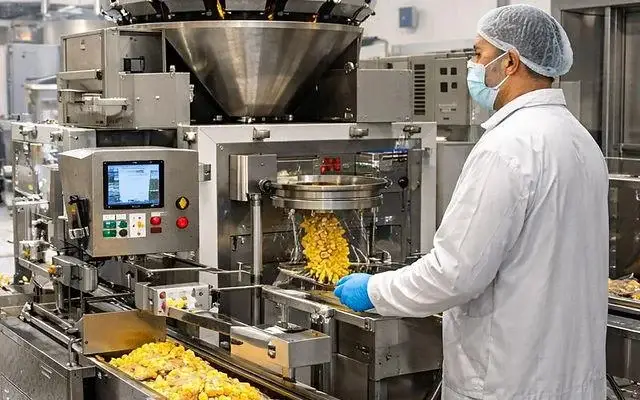
Why Understanding Namkeen Manufacturing Matters
Snack production might look simple from the outside, but the difference between an average batch and a genuinely great one usually comes down to process discipline rather than recipe secrecy.
Wholesale buyers, retailers, and export partners increasingly want visibility into how their supply is actually produced, not just what the finished product looks like. A manufacturer willing to explain their namkeen manufacturing process in detail is usually signaling confidence in their own quality standards.
Two batches made with identical raw materials can taste completely different depending on oil temperature, mixing time, or seasoning technique. This is why process consistency, not just ingredient quality, ultimately determines whether a snack tastes the same on the hundredth batch as it did on the first.
Stage 1: Raw Material Sourcing and Selection
Every reliable namkeen manufacturing process starts long before any cooking happens, with careful selection of raw ingredients.
Gram flour, various dals, and grains form the base of most namkeen varieties, and their quality directly affects texture and taste. Producers typically check for consistent grain size, proper moisture content, and freedom from impurities before approving a batch for production.
Oil freshness affects both flavor and shelf life, so experienced manufacturers test for smoke point, clarity, and rancidity before use. Spices go through similar scrutiny, checked for aroma strength and purity to avoid the flat, inconsistent flavor that comes from stale or adulterated seasoning.
Reliable production depends on reliable sourcing. Established manufacturers maintain relationships with verified suppliers and run periodic freshness and purity tests, rather than relying purely on trust or price alone.
Stage 2: Preparation and Mixing
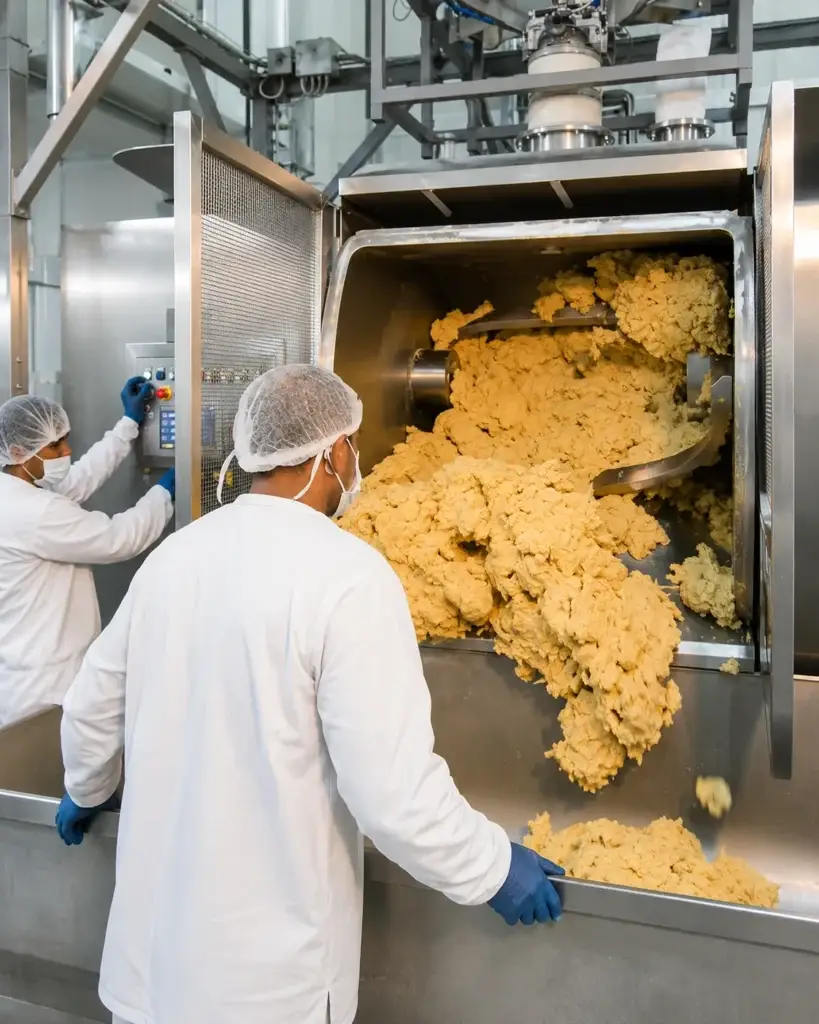
Once raw materials clear inspection, the actual preparation phase begins.
Depending on the product, this stage involves preparing a smooth batter for items like sev or a firmer dough for extruded snacks. Consistency in water ratio and mixing time here directly affects the final texture, which is why experienced production teams treat this step with the same precision as the frying stage that follows.
Pre-mixed spice blends are typically weighed and combined in controlled ratios rather than eyeballed, ensuring that a batch produced today tastes identical to one made weeks earlier, a detail that matters enormously to repeat wholesale buyers.
Stage 3: The Cooking Process
This is the heart of any namkeen manufacturing process, where raw ingredients transform into the actual snack.
Oil temperature is one of the most critical variables in the entire namkeen manufacturing process. Too low, and snacks absorb excess oil and turn soggy; too high, and they burn on the outside while staying undercooked within. Skilled operators monitor temperature closely throughout each frying cycle to maintain consistent color, crunch, and oil absorption.
As demand for healthier snacking options grows, many manufacturers now offer roasted or baked alternatives alongside traditional fried namkeen, using controlled hot-air or oven-based methods that reduce oil content while preserving flavor and crunch.
Traditional open-kadhai frying still has a place in smaller-batch or specialty production, valued for its distinct texture, while modern continuous fryers with automated temperature control dominate large-scale operations where consistency across huge volumes is essential.
Stage 4: Seasoning and Flavoring
Flavor is applied strategically, not randomly, at this stage.
Once fried or roasted items cool slightly, seasoning is typically applied through tumbling drums or manual tossing, ensuring even coating across every piece rather than clumping in a few spots.
Standardized seasoning ratios, checked against reference samples, help ensure that a customer buying a pack this month tastes the same product they remember from months earlier, a small detail that has an outsized effect on brand loyalty.
Stage 5: Quality Control and Hygiene Standards
This stage is where trust and authority genuinely get earned, since it’s largely invisible to the end consumer but critical to product safety.
Rather than testing only the finished product, quality-focused manufacturers check texture, color, and moisture at multiple points throughout production, catching problems early rather than discarding entire finished batches later.
Compliance with FSSAI hygiene standards covers everything from staff protective gear to sanitized equipment and controlled production environments, forming the regulatory backbone of any legitimate food manufacturing operation in India.
Sensory testing by trained staff, alongside objective measures like moisture percentage, helps confirm that each batch meets the standard expected before it moves toward packaging.
Stage 6: Cooling and Moisture Control
A step that’s easy to overlook but genuinely shapes shelf life.
Packing snacks while still warm traps residual heat and moisture inside the pack, which can accelerate staleness and even encourage mold growth. Proper cooling before packaging is a simple but essential safeguard.
Even small amounts of trapped moisture can turn a crisp snack soft within days, which is why controlled cooling environments and humidity monitoring are standard practice in well-run production facilities.
Stage 7: Packaging and Sealing
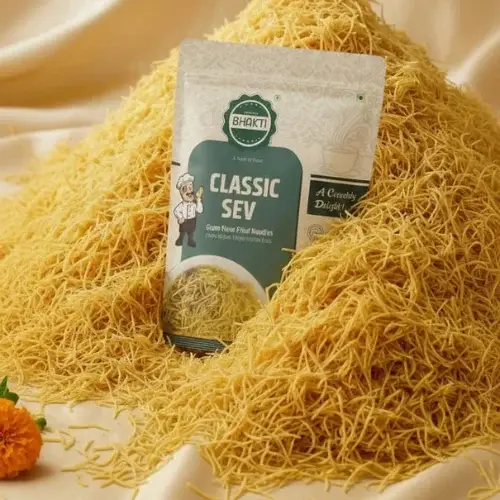
The final stage protects everything achieved in the stages before it.
Barrier films that block moisture, light, and oxygen are essential for maintaining freshness, particularly for products destined for longer storage or export shipment.
Heat sealing and, in some cases, nitrogen flushing help lock in freshness immediately after packing, preventing oxidation from starting the moment a pack leaves the production line.
Bulk orders typically use larger, sturdier packaging built for transport durability, while retail packs prioritize shelf appeal and portion-friendly sizing, both requiring slightly different handling during the final packing stage.
The Role of Technology and Automation
Modern facilities increasingly blend traditional recipes with mechanized precision.
- Semi-automated units combine manual craftsmanship for delicate steps with machine-assisted frying and packaging.
- Fully automated lines offer higher consistency and output for large wholesale and export orders.
- Automated temperature and timing controls reduce batch-to-batch variation significantly.
This blend of technology and traditional technique is often what allows manufacturers to scale up without sacrificing the authentic taste that built their reputation in the first place.
What Sets a Trusted Manufacturer's Process Apart
Final Thoughts
From sourcing the right besan to sealing the final pack, the namkeen manufacturing process is a careful sequence of decisions where small details compound into a big difference in taste, freshness, and safety. Understanding each stage of this namkeen manufacturing process helps buyers appreciate exactly what they’re paying for when they choose a quality-focused supplier.
At Vasudev World Export, every batch moves through a carefully controlled production process, from verified raw material sourcing to hygienic packaging, ensuring consistent quality across retail, wholesale, and export orders. Reach out to Vasudev World Export today to learn more about their production standards and place your next order with confidence.